
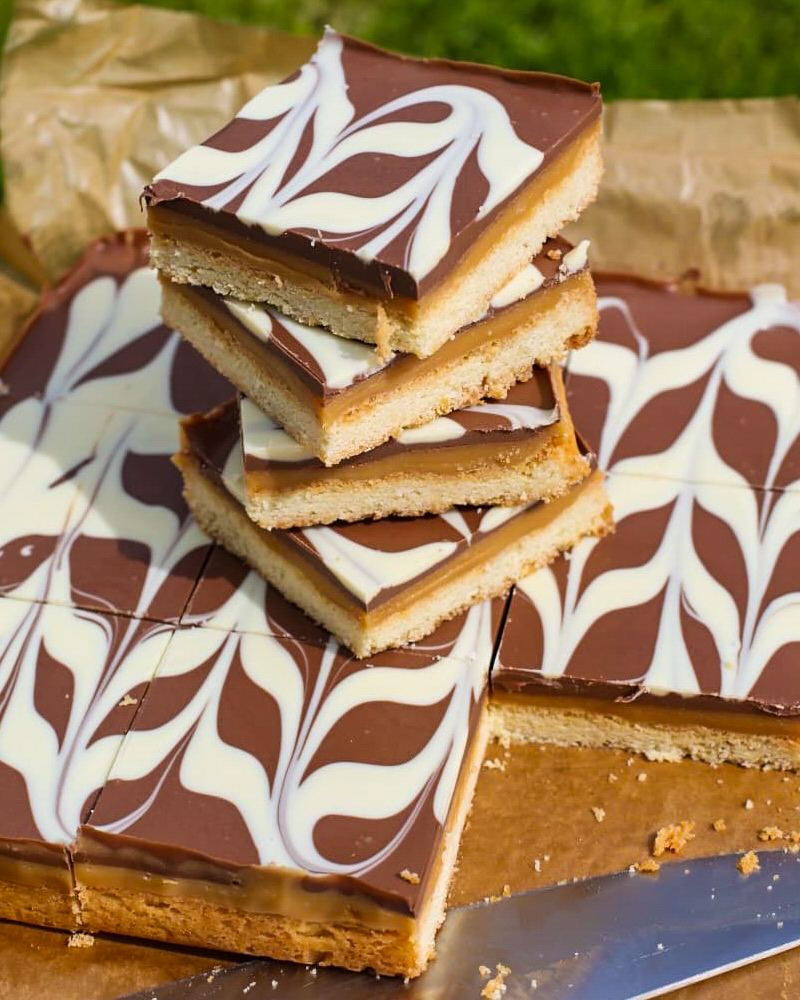
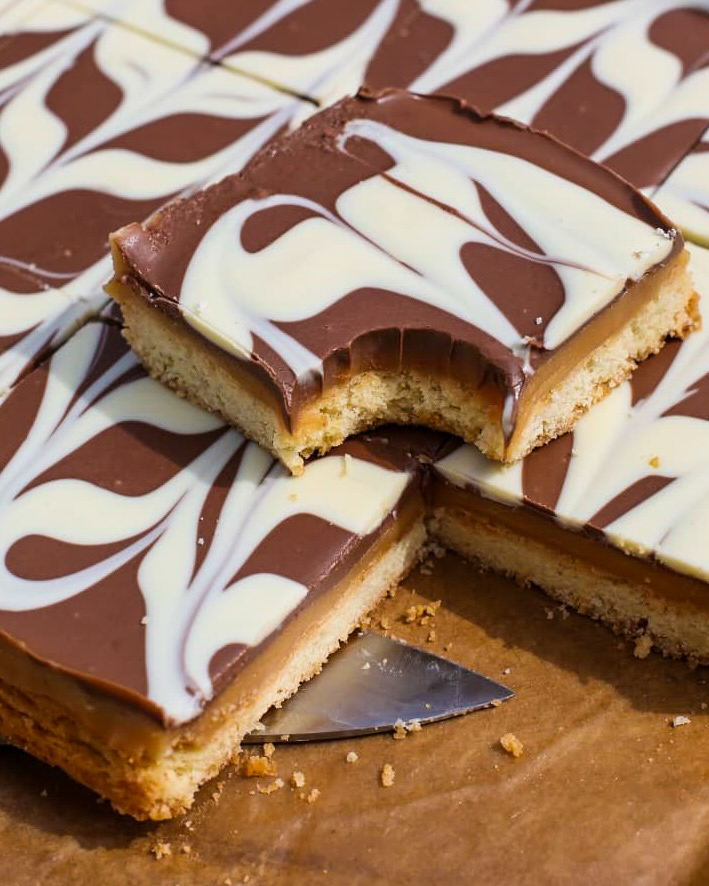
This Caramel Shortbread Recipe features a buttery shortbread base, gooey caramel, rich milk chocolate, and white chocolate swirls. A classic Scottish treat, it comes together with everyday ingredients and simple steps for an impressive sweet treat that I love to serve for special occasions and holidays.
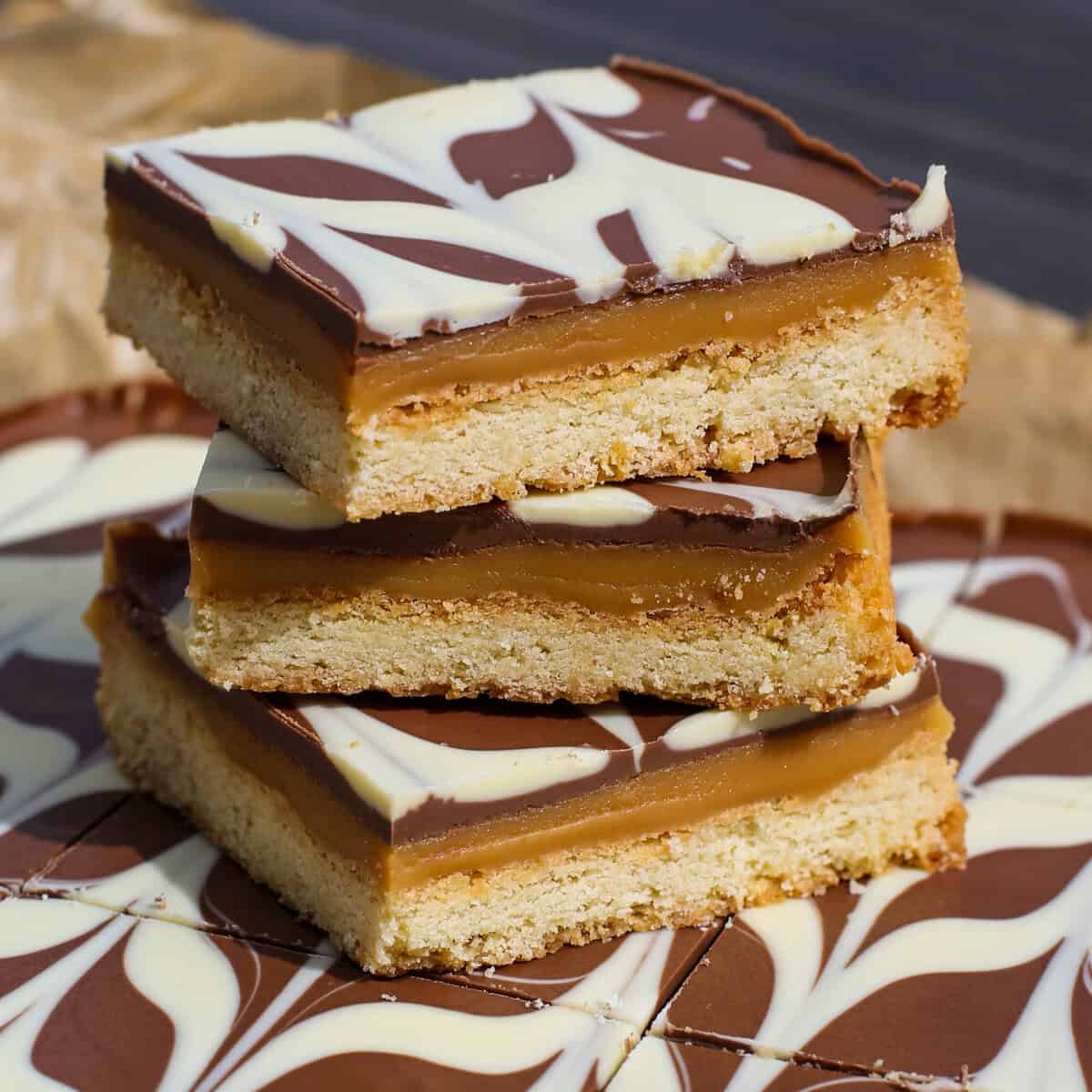
If you’re unfamiliar with caramel shortbread, you may know it as caramel shortcake or millionaire’s shortbread. No matter what you call it, this beloved Scottish dessert and sweet treat has become popular across the UK and the United States for good reason.
Jump to:
Incredibly decadent, the dessert is believed to have originated in Scotland as a twist on traditional buttery shortbread found in recipes like empire biscuits. I grew up eating caramel shortcake, similar to classic jam and coconut sponge, alongside a cup of tea as an afternoon treat when hosting friends.
It’s also a common treat in school lunchboxes or to be eaten during breaktime (recess) and a particular favourite with my kids alongside Mars Bar cake. Truthfully, there’s never a bad time for this recipe!
Ingredients and Notes
Please be sure to scroll down to the recipe card for the complete ingredient list and details.
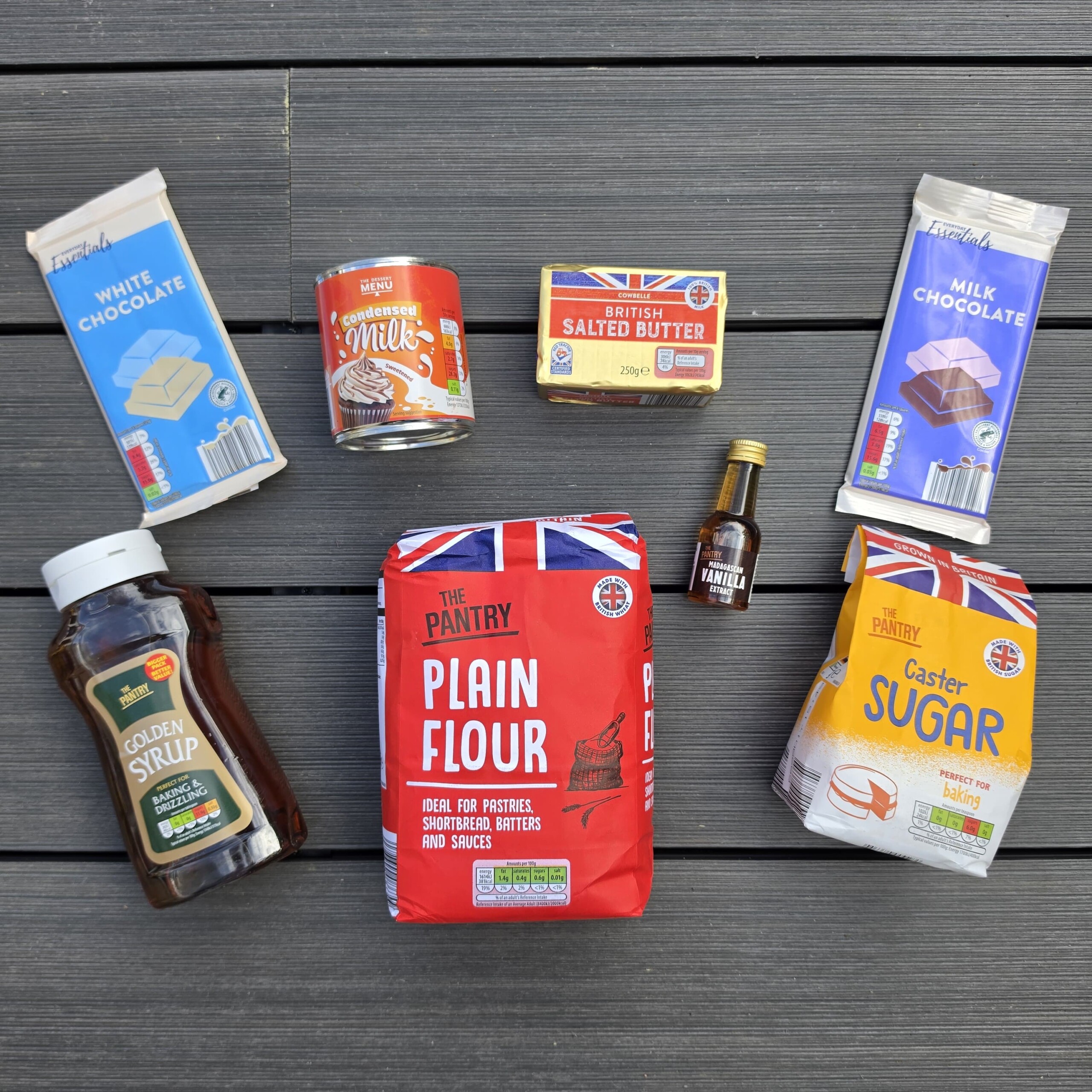
- Shortbread Base: I use a classic shortbread recipe as the base of the bars. Salted butter adds rich flavour, while caster sugar keeps the texture light and delicate. Then, plain flour brings everything together into a soft dough that bakes into a crisp, crumbly base. I also include vanilla extract to enhance the sweetness and add depth and warmth.
- Caramel: Sweetened condensed milk creates a signature soft, gooey texture, while golden syrup adds deep caramel flavour. Salted butter and a pinch of salt balance the sweetness, creating a lightly salted caramel flavour that pairs well with the chocolate topping.
- Milk Chocolate: This is the traditional topping option, adding a smooth, creamy finish, though you can use dark chocolate for a richer taste. I prefer using good-quality chocolate bars rather than chocolate chips for the smoothest consistency and best flavour.
- White Chocolate: This is optional, but I love using it to create decorative swirls and add extra pops of sweetness that differentiate my caramel shortbread from other recipes.
How to Make This Caramel Shortbread Recipe
Combine the shortbread ingredients. Cream the salted butter, caster sugar, and vanilla extract in a bowl until the mixture is light and fluffy. Then, mix through plain flour until you have a workable dough.
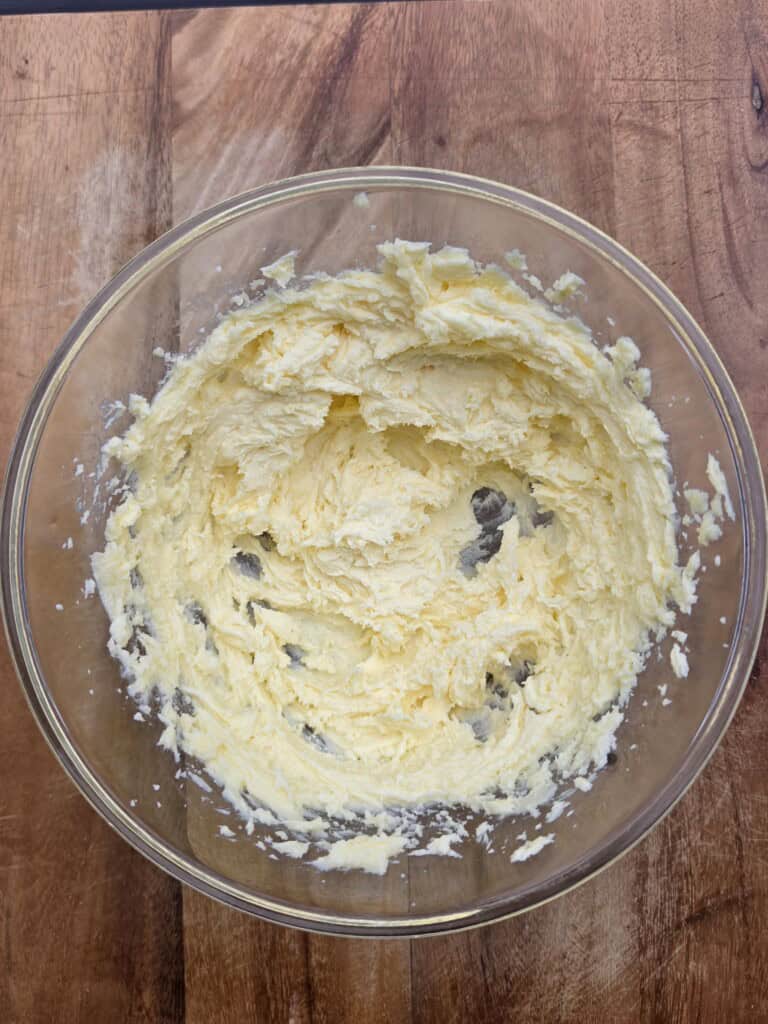
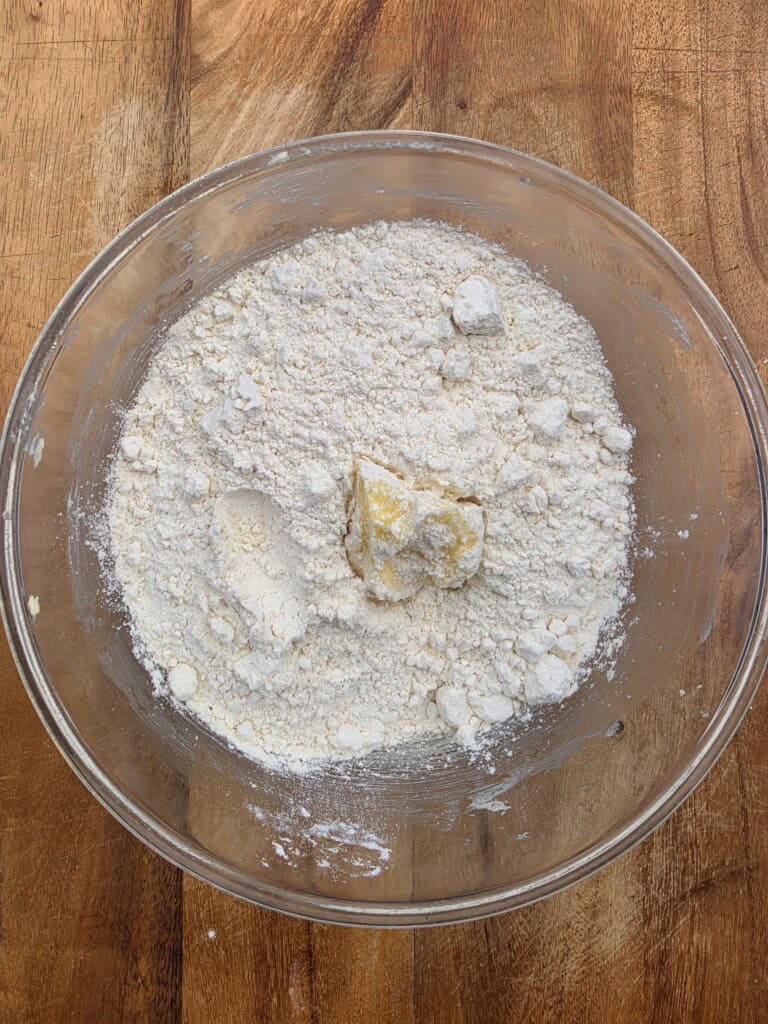
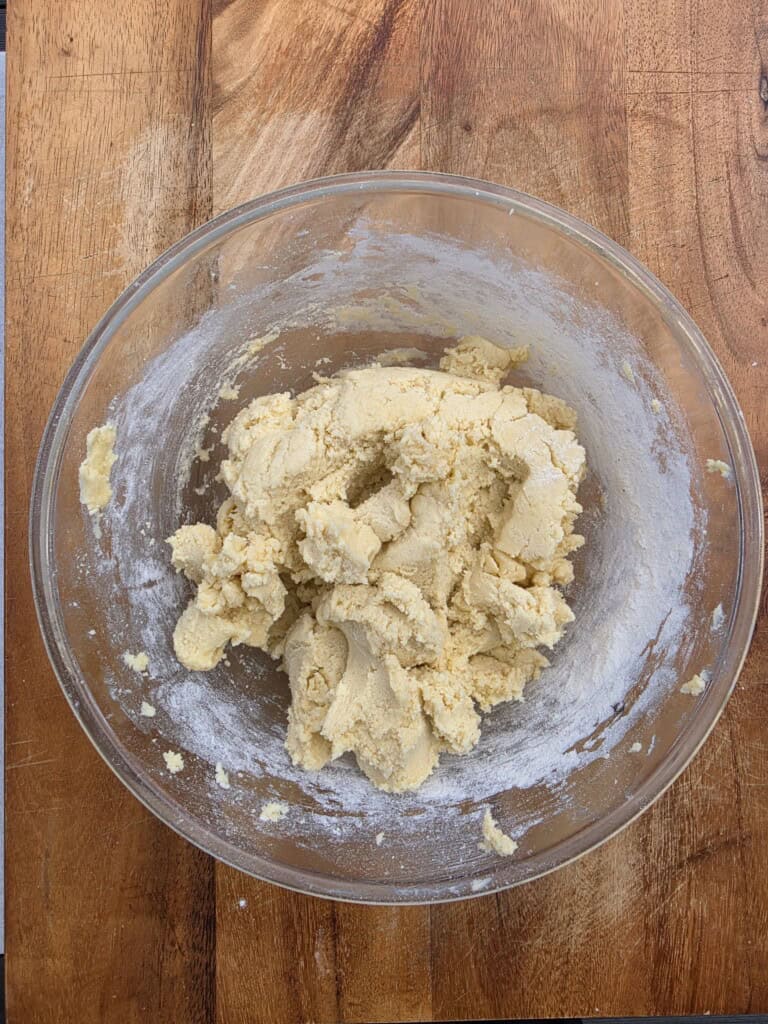
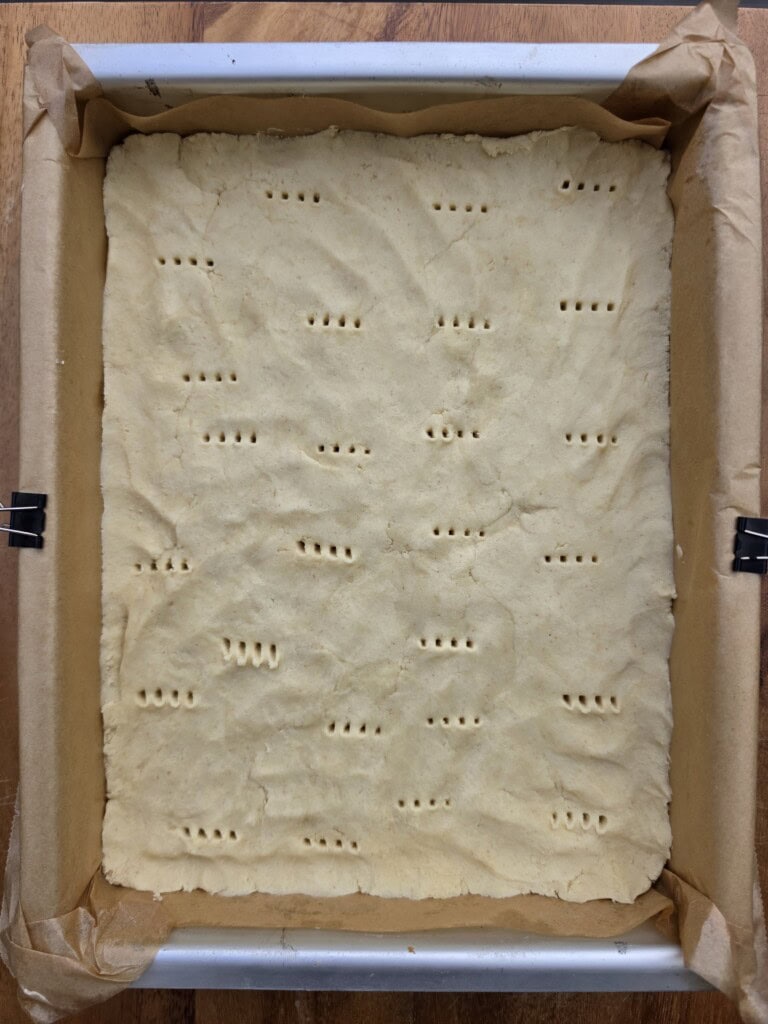
Shape the base. Transfer the dough to a prepared baking tin, pressing it down to cover the base. I use my hands for this!
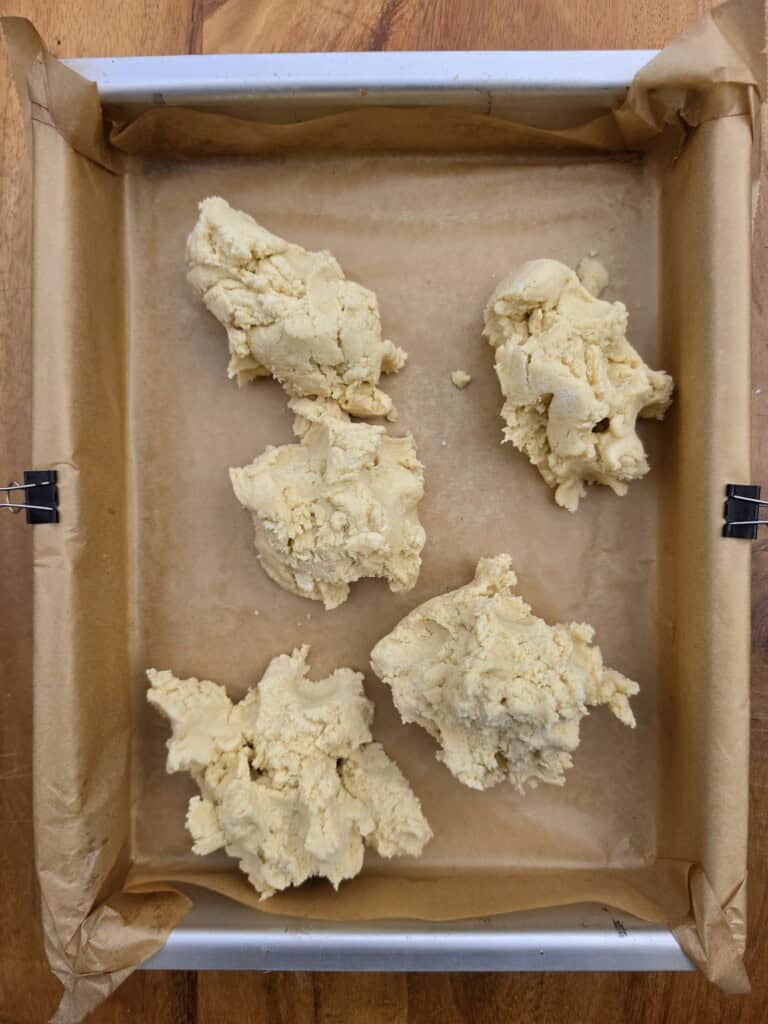
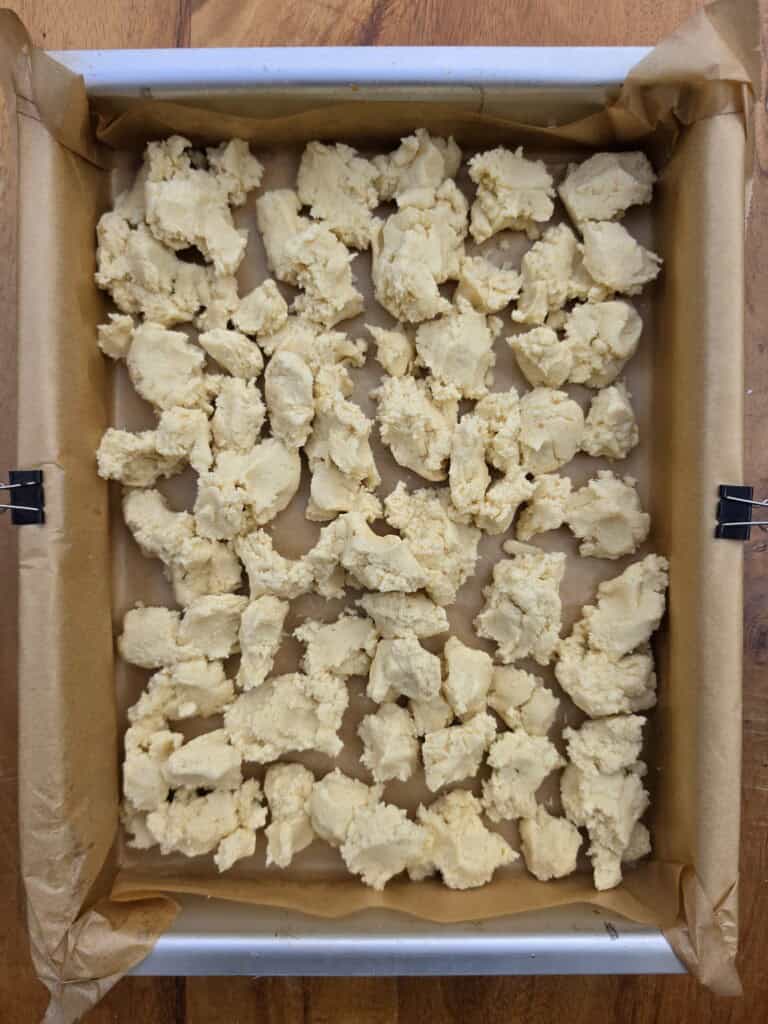
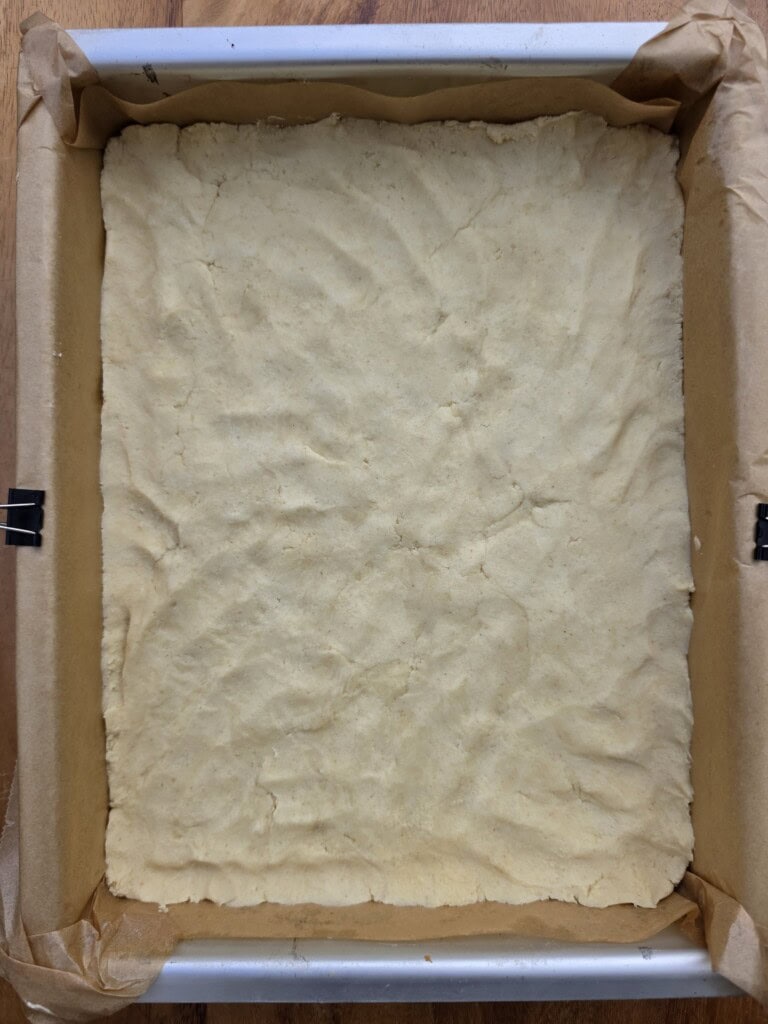
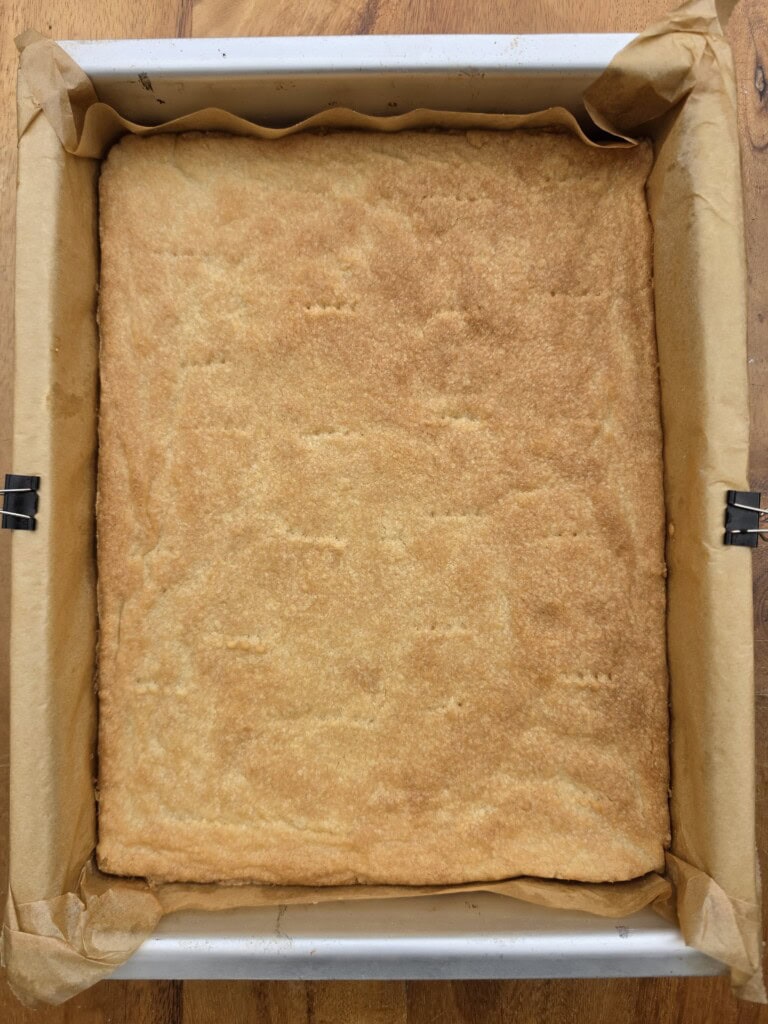
Bake. Prick the dough with a fork. This prevents air bubbles and helps create a smooth, flat base. Then place the baking tin in the oven, and bake just until it’s lightly golden.
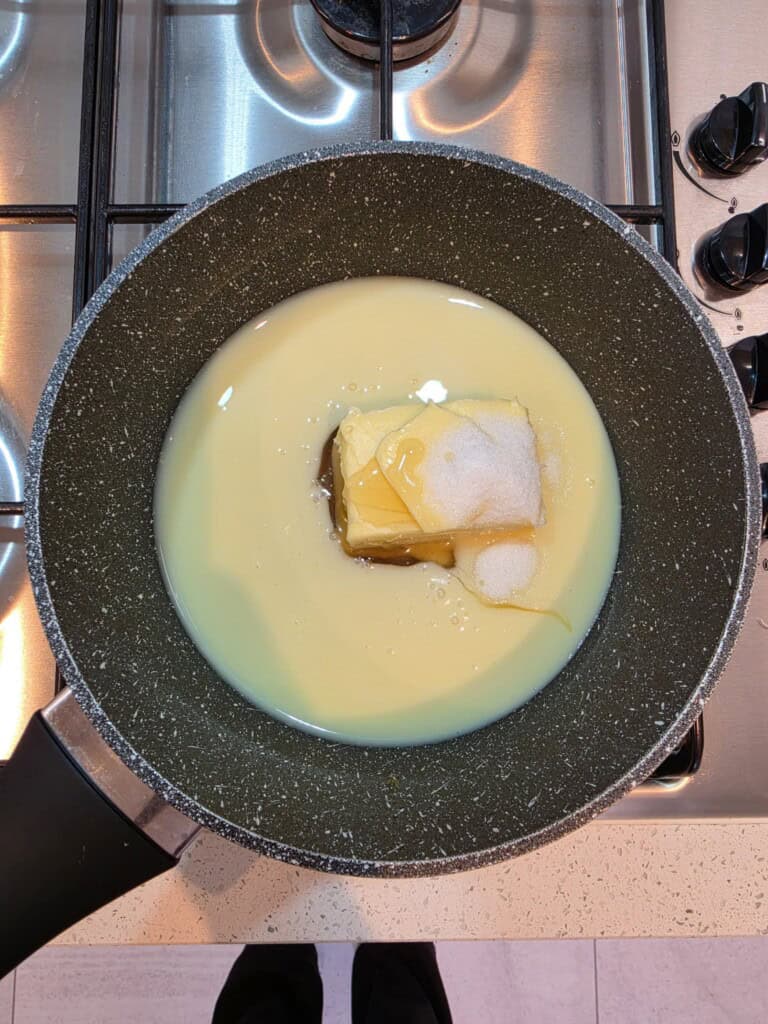
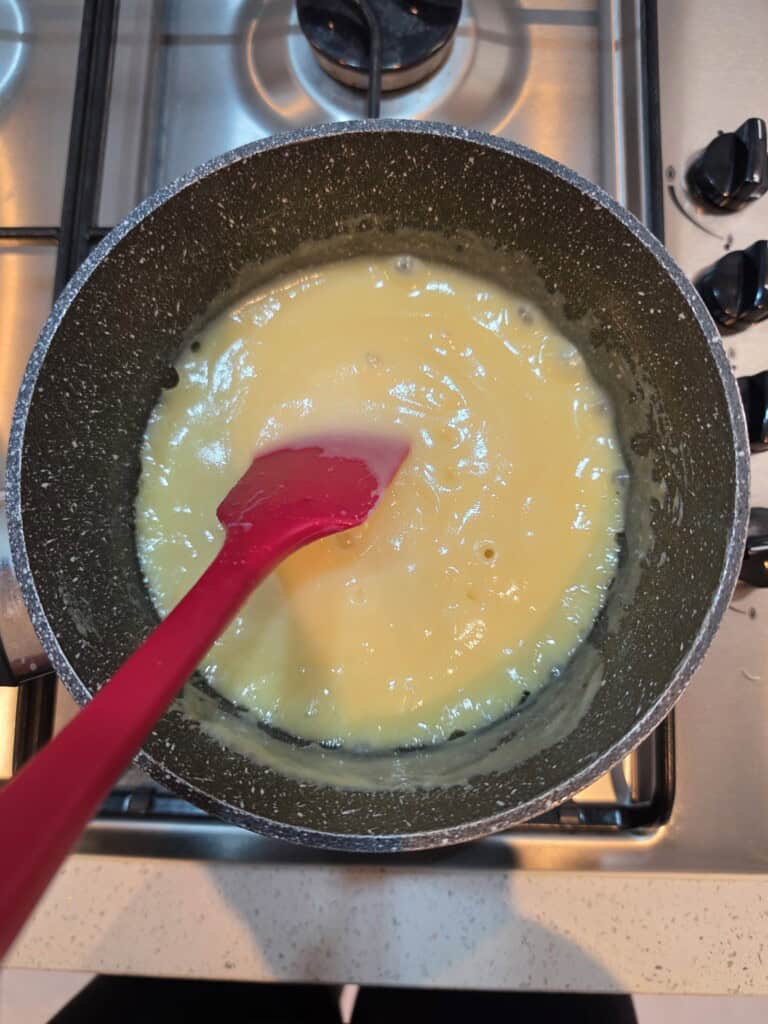
Prepare the caramel. Next, combine the condensed milk, golden syrup, sugar, butter, and salt in a pan, and bring the mixture to a boil, stirring continuously. Boil the caramel for five minutes to deepen the flavour.
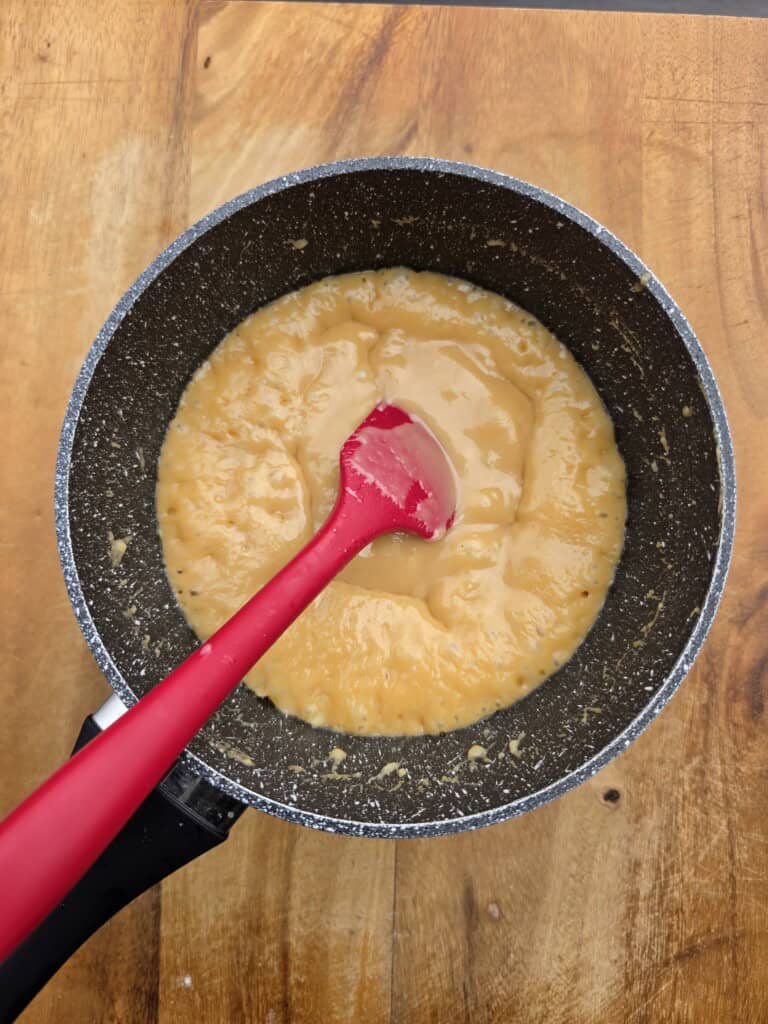
Layer, refrigerate and prepare chocolate. Pour the caramel sauce over the shortbread base, and transfer the pan to the fridge to set. In the meantime, break up the milk chocolate and white chocolate, placing the chocolates in separate bowls, and melt using a bain marie or the microwave.
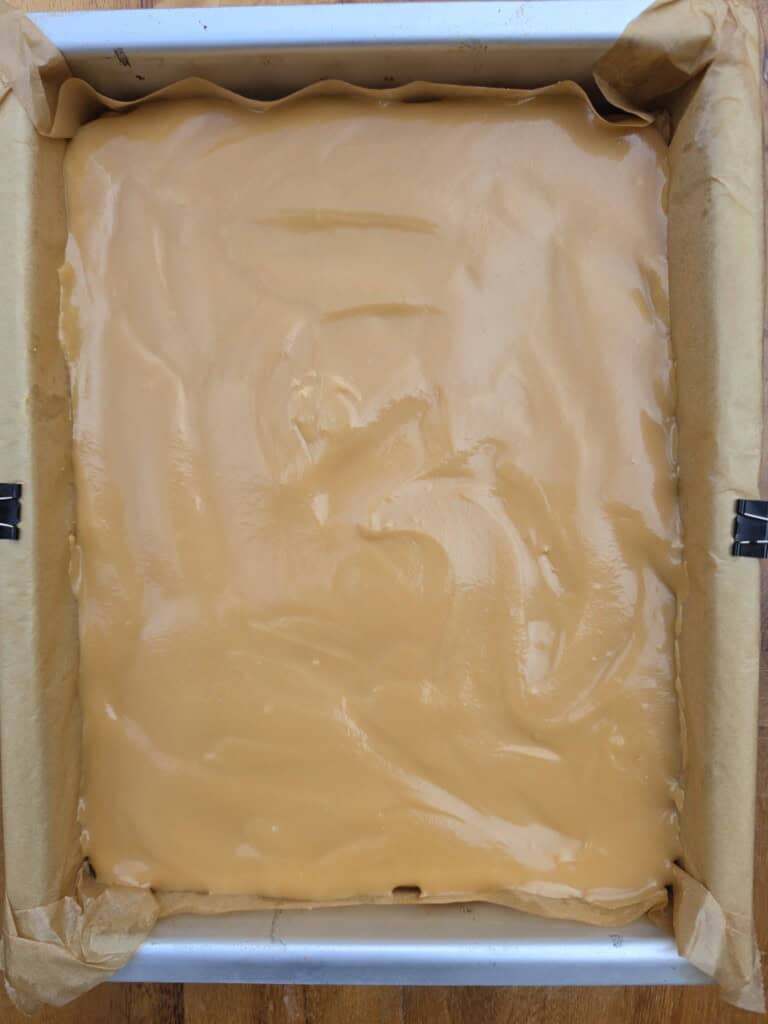
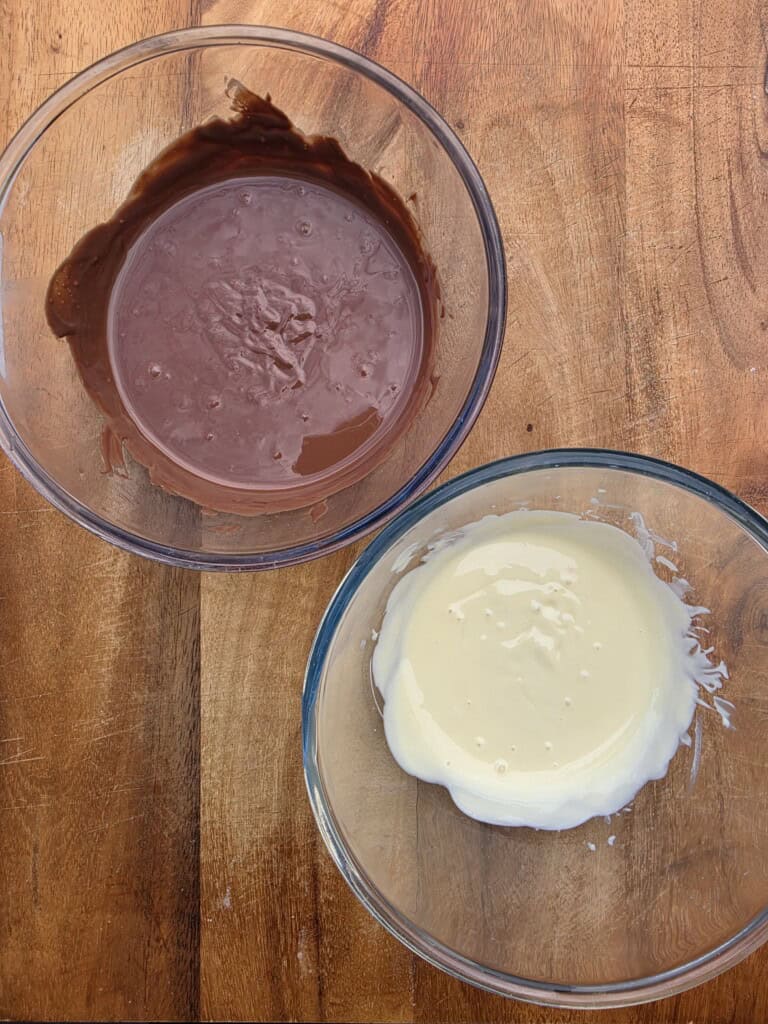
Add the chocolate topping. Pour the milk chocolate over the caramel, spreading it all the way to the edges. Then, drizzle the white chocolate on top, and use a skewer to run through the chocolate, creating swirls.
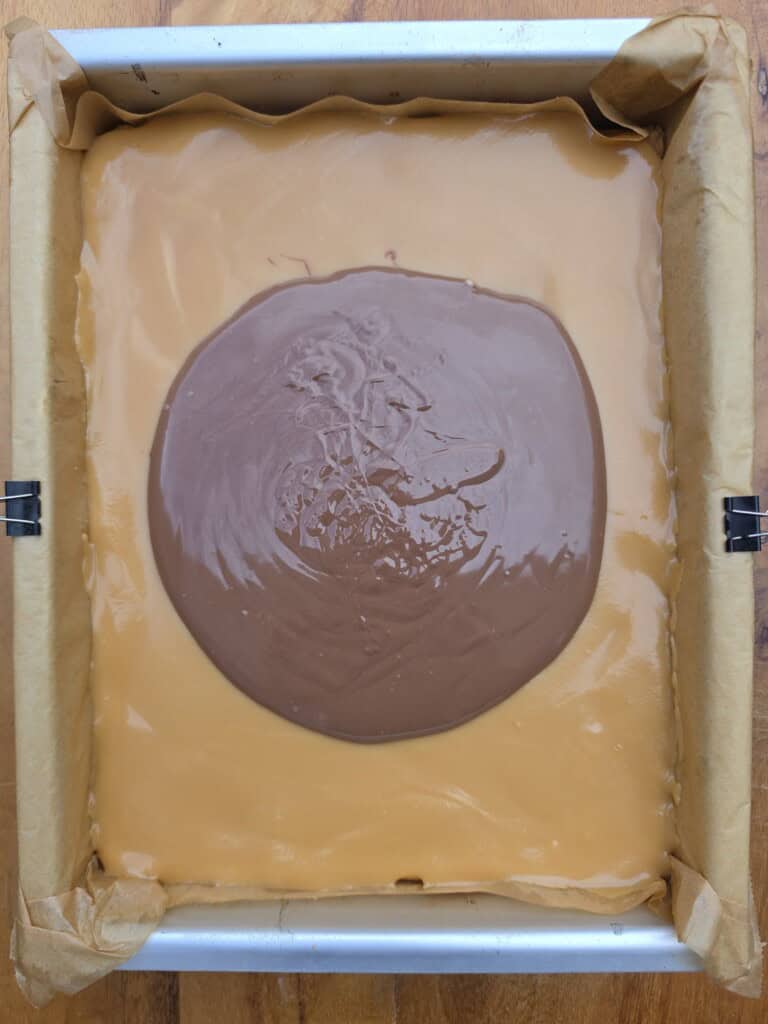
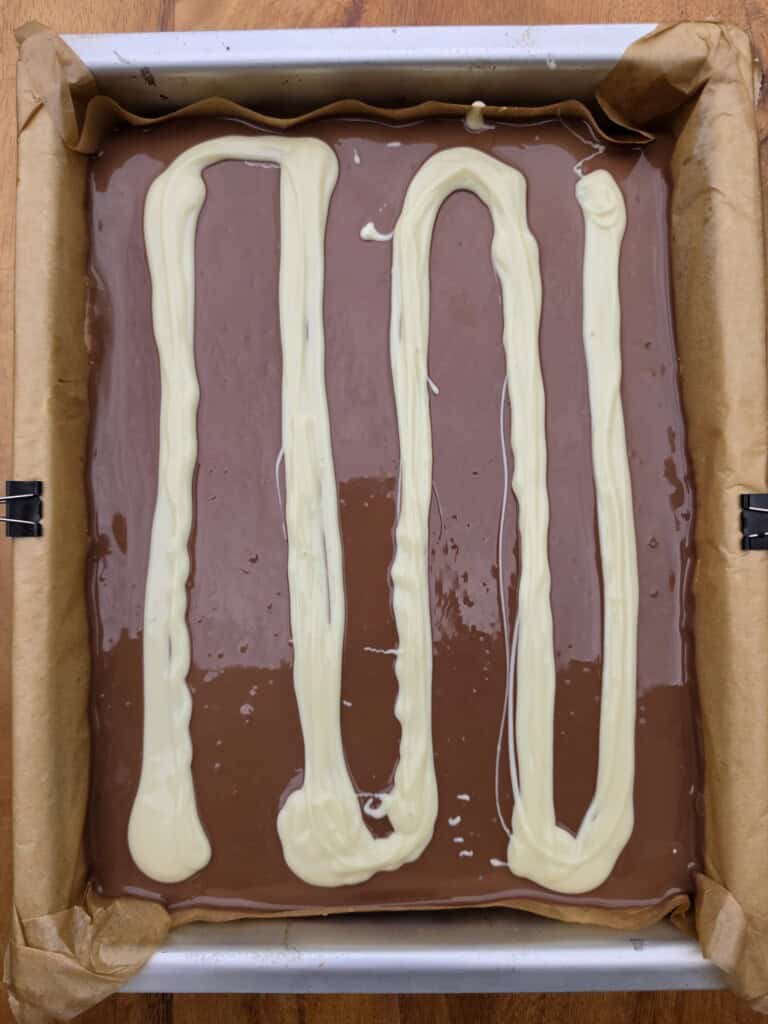
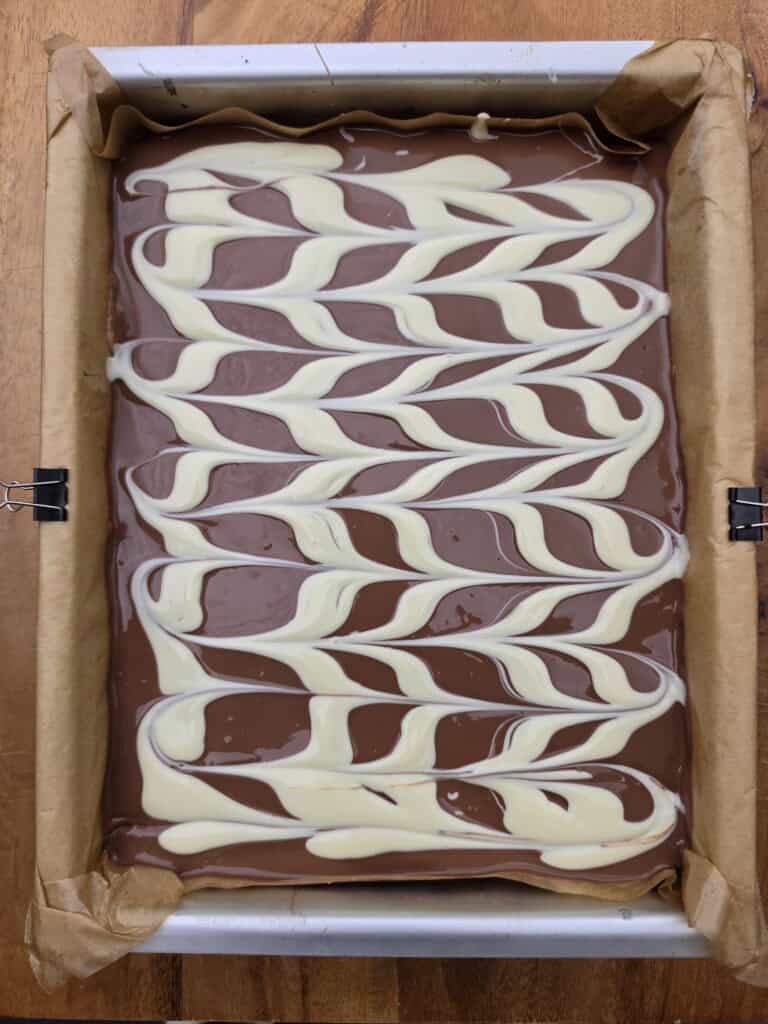
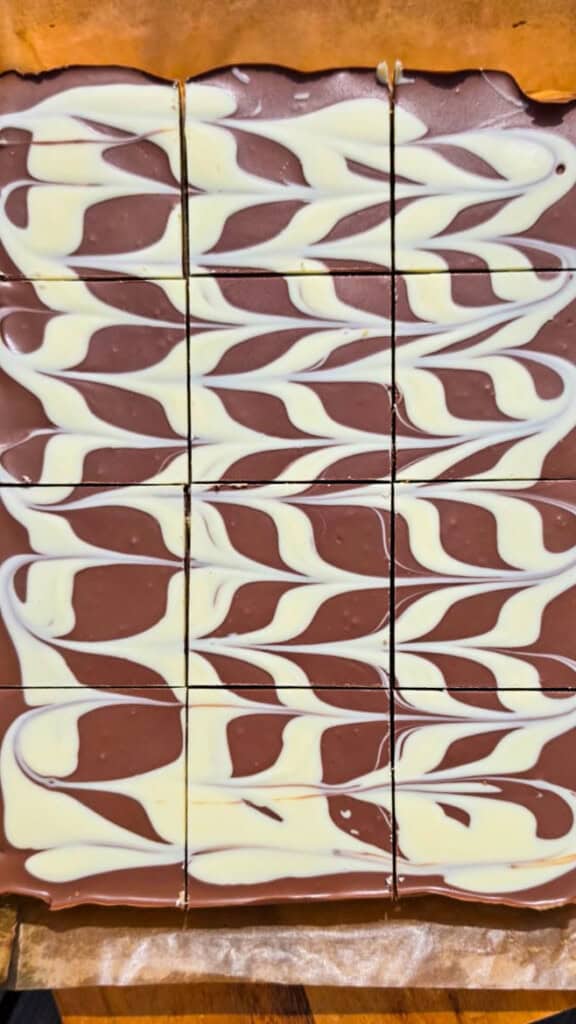
Serve. Chill the caramel shortbread in the fridge, and slice the dessert into bars. Enjoy cold or at room temperature!
My Top Tips & Tricks
- Line the tin well. Leave a little overhang with the greaseproof paper so you can easily lift the shortbread out before slicing.
- Use room temperature butter for the base. Softened butter creams more easily with the sugar and creates the best shortbread texture.
- Don’t overwork the shortbread dough. Mix just until the ingredients are combined to keep the base tender and crumbly rather than tough.
- Create an even shortbread layer. I break the dough into small chunks and put them all over the tin before pressing down, as I find it the easiest way to press down into an even layer without handling the dough too much.
- Stir the caramel constantly. Once the caramel ingredients are on the heat, continuous stirring is essential to stop the mixture catching or burning around the edges of the pan.
- Use a spatula to stir the caramel. This will ensure you are getting right to the edges of the pan, preventing it from burning.
- Chill before cutting. Giving the bars plenty of time to set in the fridge makes them much easier to cut into neat squares, preventing them from crumbling and falling apart.
- Slice with a warm knife. Run a sharp knife under hot water, dry it quickly, and gently slice through the chocolate to prevent cracking and create smooth, even bars.
FAQs
The caramel layer usually needs a little more cooking time if it turns out too soft. Make sure the mixture reaches a full boil and continues bubbling for about 5 minutes while stirring constantly. If the heat is too low or the caramel isn’t cooked long enough, it may stay runny once chilled.
These caramel shortbread bars keep well for up to 5 days stored in an airtight container. I usually keep them in the fridge to help the caramel and chocolate layers stay firm, especially when the weather is warm.
Yes! Once fully set and sliced, you can freeze the bars in an airtight container for up to 3 months. I recommend placing baking paper between the layers to stop them sticking together. Defrost in the fridge overnight before serving.
Other Dessert Recipes You Might Like
If you liked this Caramel Shortbread recipe, you might like some of my other popular Scottish baking and desserts:


If you have any questions, please leave a comment, and I'll get back to you. Or I would really appreciate it if you left me a review below.
CRAVING MORE? Subscribe to my newsletter and follow along on Instagram, Tik Tok and YouTube for the latest updates.
Caramel Shortbread Bars (Millionaire’s Shortbread)

Equipment
- 1 9" x 12" x 2" baking tin
- greaseproof paper
Ingredients
Shortcake Base Ingredients
- 255 g salted butter
- 130 g caster sugar
- 1 teaspoon vanilla extract
- 340 g plain flour
Caramel Ingredients
- 397 g condensed milk small regular tin - See Notes
- 100 g golden syrup
- 1 teaspoon caster sugar
- 115 g salted butter
- pinch of salt
Topping Ingredients
- 300 g milk chocolate
- 100 g white chocolate optional for decoration - See Notes
Instructions
- Line a 9” x 12” x 2” baking tin with greaseproof paper
- Preheat oven to 160C (fan) / 180C / 350F / Gas Mark 4
- Measure 255 g salted butter, 130 g caster sugar and 1 teaspoon vanilla extract for shortcake base into a bowl and cream together until light and fluffy
- Mix through 340 g plain flour until you have a workable dough
- Place dough into the lined baking tin and press down using your hands until it completely covers the base - See Notes
- Prick the base several times with the fork to stop air bubbles under the dough
- Bake the base in the preheated oven for 20 minutes
- To a medium size pan add 397 g condensed milk, 100 g golden syrup, 1 teaspoon caster sugar, 115 g salted butter and pinch of salt
- Bring to a boil - from low, to medium to high heat - stirring continuously (you cannot stop stirring or it will stick and burn immediately)
- Boil the caramel for 5 minutes once top temperature has been reached, this will deepen the flavour
- Pour the caramel onto the cooked shortbread base and place in the fridge to set
- Break up 300 g milk chocolate and 100 g white chocolate into separate bowls and melt either using a bain marie (in a bowl over simmering water) or in a microwave using 30 second bursts (using short intervals avoids burning the chocolate)
- Pour milk chocolate over and spread to edges to fully cover the caramel layer
- Drizzle over your white chocolate up and down (horizontal) and then using a skewer run through the chocolate from left to right (vertically)
- Place in the fridge to set for 2hrs and cut into 12 squares - See Notes
Lesley says
Another one ticked off the list, daughter made this at the weekend double batch one for school friends and one for my work colleagues, delicious, easy to follow. It will be getting made again. Thank you